
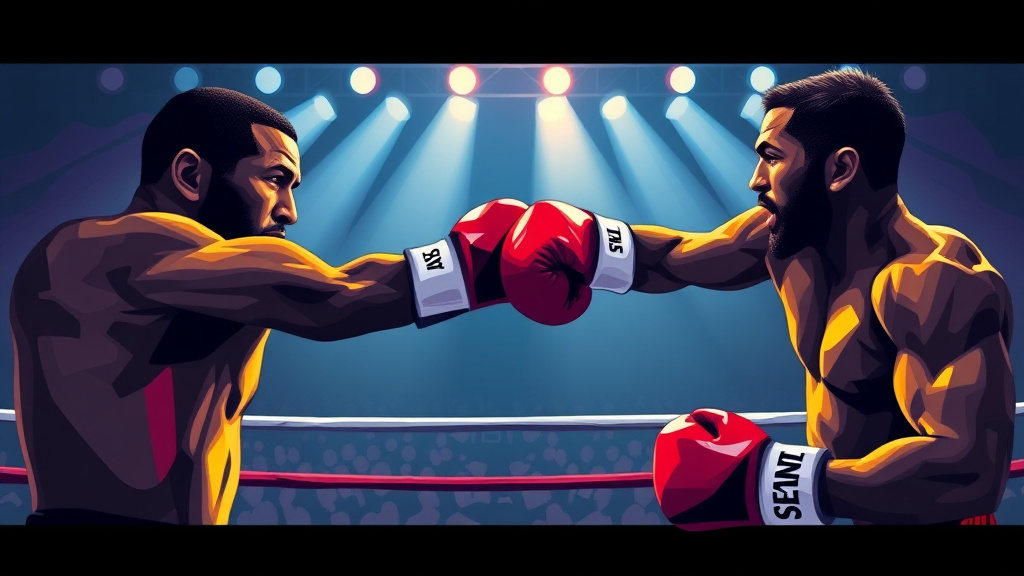
The professional heavyweight category is experiencing a dramatic shift that’s reshaping the competitive arena. Recent surprises, strategic retirements, and the rise of powerful new challengers have dramatically altered the rankings and placements that have remained relatively stable for an extended period. This piece examines the pivotal changes affecting the division, examining how emerging talents are confronting reigning titleholders, which competitors have risen or fallen in the standings, and what these changes suggest for the future of heavyweight boxing competition.
Latest Championship Updates
The heavyweight division saw a historic title fight last month that disrupted the rankings. The reigning titleholder faced an unexpected challenger who had quickly ascended the standings through a string of impressive victories. The match produced a controversial decision that has ignited considerable discussion among analysts and fans alike. This outcome has fundamentally altered the trajectory of multiple fighters, forcing the regulatory organizations to reassess their ranking systems and marketing approaches going ahead.
A number of established contenders have undergone notable changes in their standings following latest bouts. Two previously top-ranked fighters endured surprising losses to rising competitors, causing them to drop multiple positions in the official rankings. In contrast, a trio of rising prospects have secured notable wins that catapulted them into the upper echelon of competition. These shifts reflect the unpredictable nature of contemporary heavyweight competition and demonstrate that traditional hierarchies no longer guarantee competitive advantage or championship chances in the current landscape.
Championship talks have grown increasingly complex due to these ranking changes and the appearance of new contenders. Multiple fighters now claim legitimate arguments for title shots based on their current form and ranking positions. The division’s sanctioning organizations face increasing pressure to clarify the criteria for championship eligibility while managing competing interests from promoters, broadcasters, and fighters themselves. These changes suggest the heavyweight division is entering an era of unprecedented competitive balance and unpredictability.
Emerging Contenders and Rising Stars
The heavyweight ranks has undergone transformation that goes beyond the top echelon, with a new generation of fighters demonstrating remarkable prowess and resolve. These up-and-coming fighters are progressively dismantling the traditional powers’ supremacy, introducing new tactical approaches and remarkable physical prowess to the sport. Their quick progression through the rankings indicates a core change in competitive landscape, requiring established champions to change or become outdated in an ever-more demanding landscape.
Rising Stars Breaking Through
A surge of outstandingly gifted young heavyweights has captured the division’s attention with strong showings against ranked opponents. These competitors integrate up-to-date training approaches with time-tested boxing foundations, creating a significant challenge for experienced fighters. Their victories have been dominant and impressive, garnering them quick advancement and marquee fights. The pace at which they’ve risen through the rankings showcases both their remarkable skills and the evolving competitive landscape within the professional heavyweight division.
What defines this new generation is their adaptability and versatility in the ring. Unlike earlier up-and-coming fighters who relied on singular strengths, these competitors possess well-rounded skill sets featuring powerful striking, precise footwork, and strategic ring intelligence. Their training facilities focus on data-informed preparation and thorough opponent analysis. Many have already achieved victories over fighters with undefeated records, building credibility that reverberates through the division and drawing substantial media attention and sponsorship opportunities.
- Outstanding knockout power combined with technical precision
- Elite conditioning enabling impressive finishing ability
- Tactical versatility adapting to varied opponent styles
- International backgrounds providing varied combat experience
- Robust social media presence driving fan engagement
The impact of these emerging talents transcends personal accomplishments, substantially changing championship dynamics and forcing organizational restructuring. Promoters must now account for numerous credible title contenders rather than banking on conventional matchups. This depth of competition has generated remarkable audience engagement and increased broadcasting ratings among major networks. The division’s future hinges on how effectively these rising competitors manage the challenges of top-tier competition and championship opportunities.
Impact on Upcoming Championship Fights
The standings shake-up will undoubtedly alter the direction of upcoming title fights. With new contenders rising through the rankings, reigning titleholders confront unprecedented pressure to defend their positions against eager competitors. The unpredictability now characterizes the division, making championship matchups increasingly engaging and harder to forecast than in years past. Promotional organizations must carefully strategize their fight cards to preserve their reputation while leveraging the increased fan engagement created by these significant changes in competitive hierarchy.
Title fight planning will become increasingly complex as promoters address the legitimate claims of multiple top-ranked contenders. The development of different tactical styles among rising stars introduces fresh strategic challenges for reigning titleholders accustomed to facing familiar opponents. Mandatory contender rules and sanctioning body regulations will compel promoters to weigh commercial appeal with sporting integrity. This intricacy generates possibilities for thrilling encounters that could define the division’s legacy for the foreseeable future.
Long-term divisional stability depends on the way current champions respond to these challenges. Fighters who modify tactics and preserve top-tier conditioning will cement their legacies, while those who decline risk rapid descent through the rankings. The division’s future delivers compelling narratives as proven champions clash with ambitious newcomers. This renewed competitive intensity ultimately benefits heavyweight boxing, capturing international interest and ensuring the division remains the sport’s premier and most-watched weight class.
